End-to-end systems — designed, built, shipped, and maintained.
Your AI tennis coach — record your swing, get clear feedback, fix your technique
An AI-powered tennis coach that lives in your phone. Players record themselves practicing, the app studies the swing from feet to fingertips, and it tells them the one or two things to focus on this session and how to fix them. Built for the millions of recreational players who practice far more often than they can afford a coach.
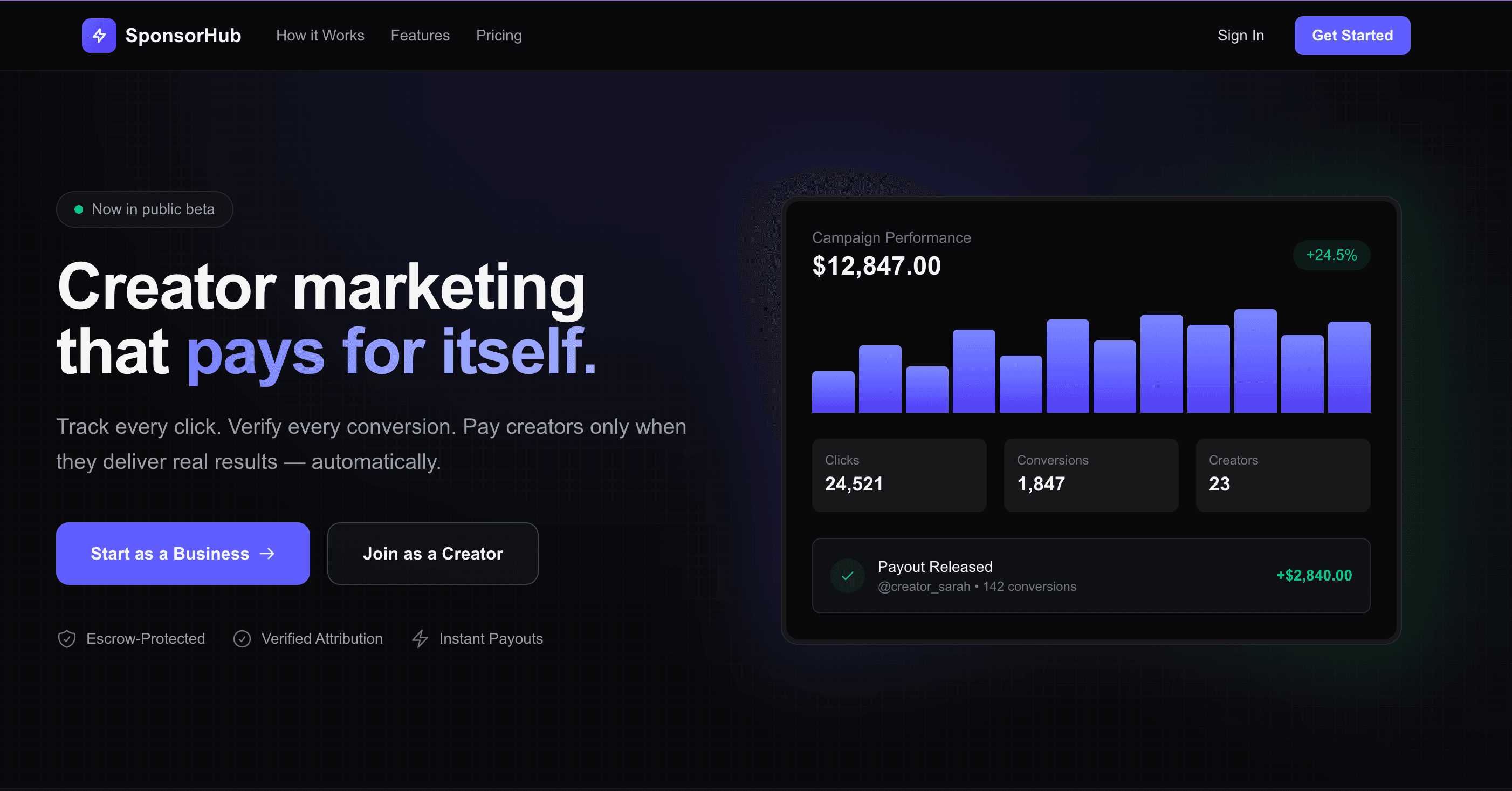
Performance-based creator marketing infrastructure with built-in financial accountability
I'm building the financial infrastructure that makes creator marketing trustworthy — escrow, attribution, verification, and payout in one system. Campaign funds are held in escrow, conversions are verified through platform-controlled mechanisms, and payouts are computed strictly from an immutable audit ledger.
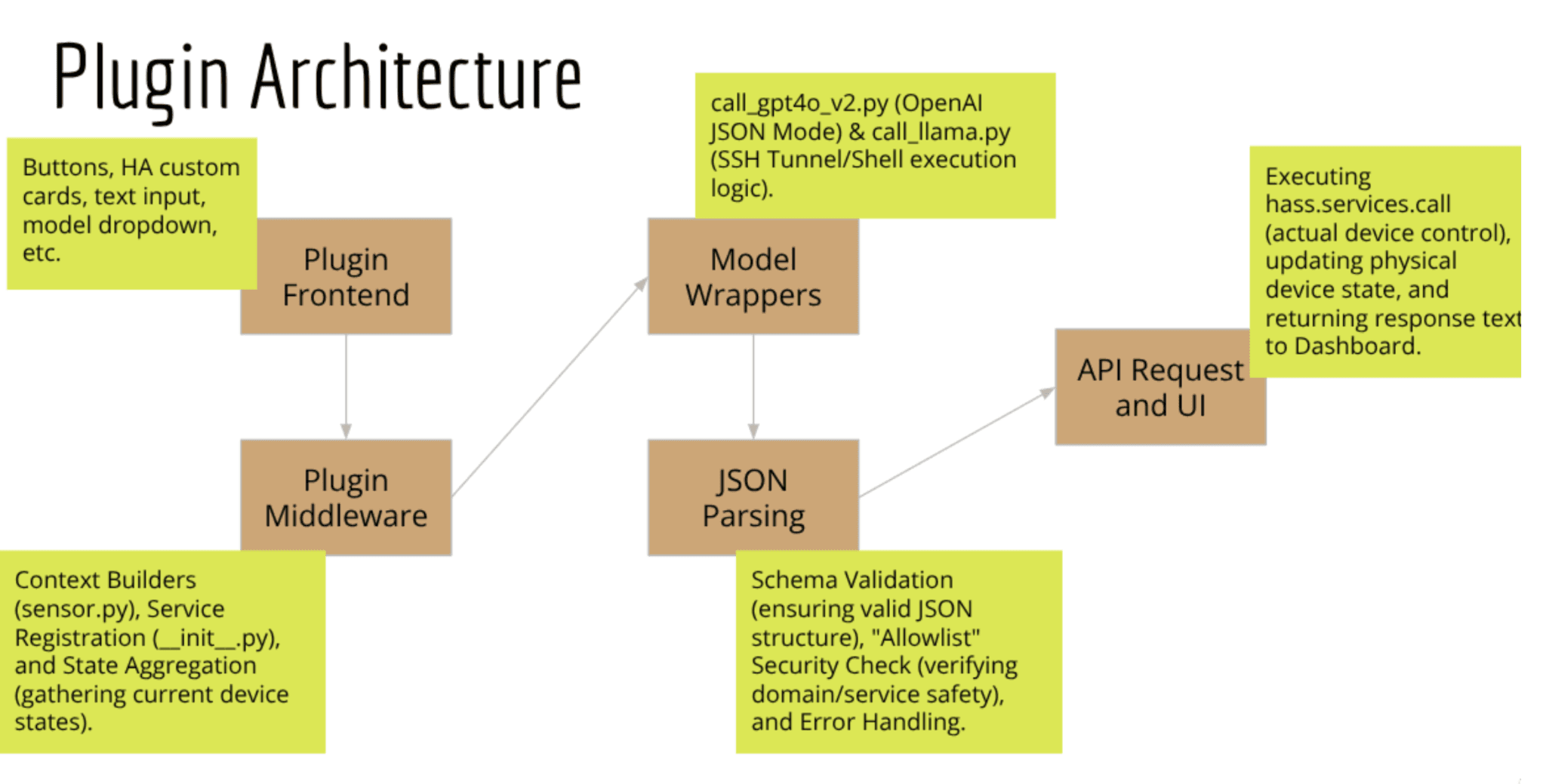
Natural language to secure smart-home automation
Senior capstone project converting natural language commands into validated JSON actions for Home Assistant. Secure execution pipeline with allow-listed services, entity validation, and robust error handling.
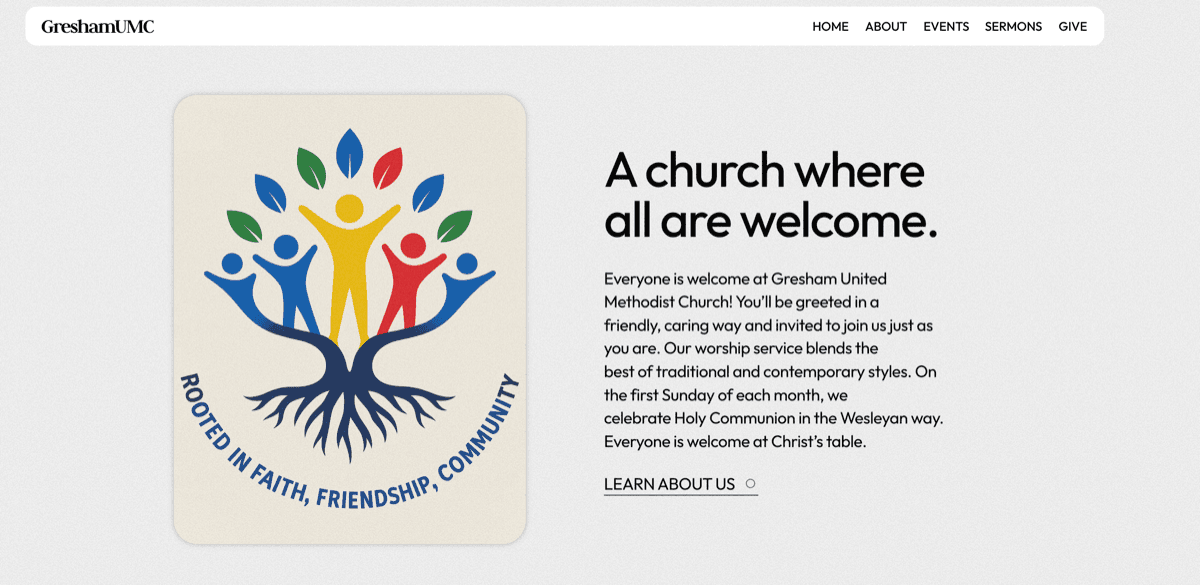
Full-stack org website with digital library checkout
Designed, built, and maintained an organization website end-to-end as sole developer. Features an API-driven digital library checkout system, secure payment integration, and scalable CMS workflows.
Wix-to-Framer migration planned to minimize downtime
Led a full platform migration from Wix to Framer. Built a component-based web architecture with reusable UI components, structured content models, and secure payment integration, with the domain transfer, DNS configuration, and email continuity planned ahead of cutover to minimize downtime.
Windows 10 disk image examined for a simulated insider-threat matter, reported as expert witness testimony
CS 473 Digital Forensics · Oregon State University · Spring 2026
A forensic examination of a Windows 10 workstation disk image, delivered as a formal expert witness report written for counsel and non-technical readers. The report covered evidence handling, methodology, findings, a reconstructed timeline, and recommended follow-on examination. Most of the analytical work was exclusion: seven keyword hits reduced to a defensible set, and every timestamp qualified against a clock that could not be trusted.
Authenticating 31 Bluetooth Low Energy devices by transmitter hardware imperfections — and measuring where that fails
ECE 478 Network Security · Oregon State University · Spring 2026
RF fingerprinting authenticates wireless devices by the manufacturing imperfections in their transmitters, identifying hardware by physical-layer characteristics rather than credentials that can be stolen or spoofed. This project tested whether a CNN could authenticate 31 BLE devices from raw IQ signal data, and whether that held up when conditions changed. It did not: cross-channel accuracy collapsed by 65 percentage points. The failure mode was the result worth reporting.
17 vulnerabilities across a Windows Active Directory domain and a Linux server, ahead of a live instructor-run attack
CS 373 Defense Against the Dark Arts: Enterprise Defense · Oregon State University · Winter 2026
An assessment of a deliberately misconfigured enterprise environment — a Windows Active Directory domain and a Linux server — carried out ahead of a live exercise in which instructors attacked the environment. I identified and documented 17 vulnerabilities, each with affected systems, exploitation impact, and specific remediation, feeding a board-level remediation proposal. The most serious finding was a single misdirected line in a configuration file.